
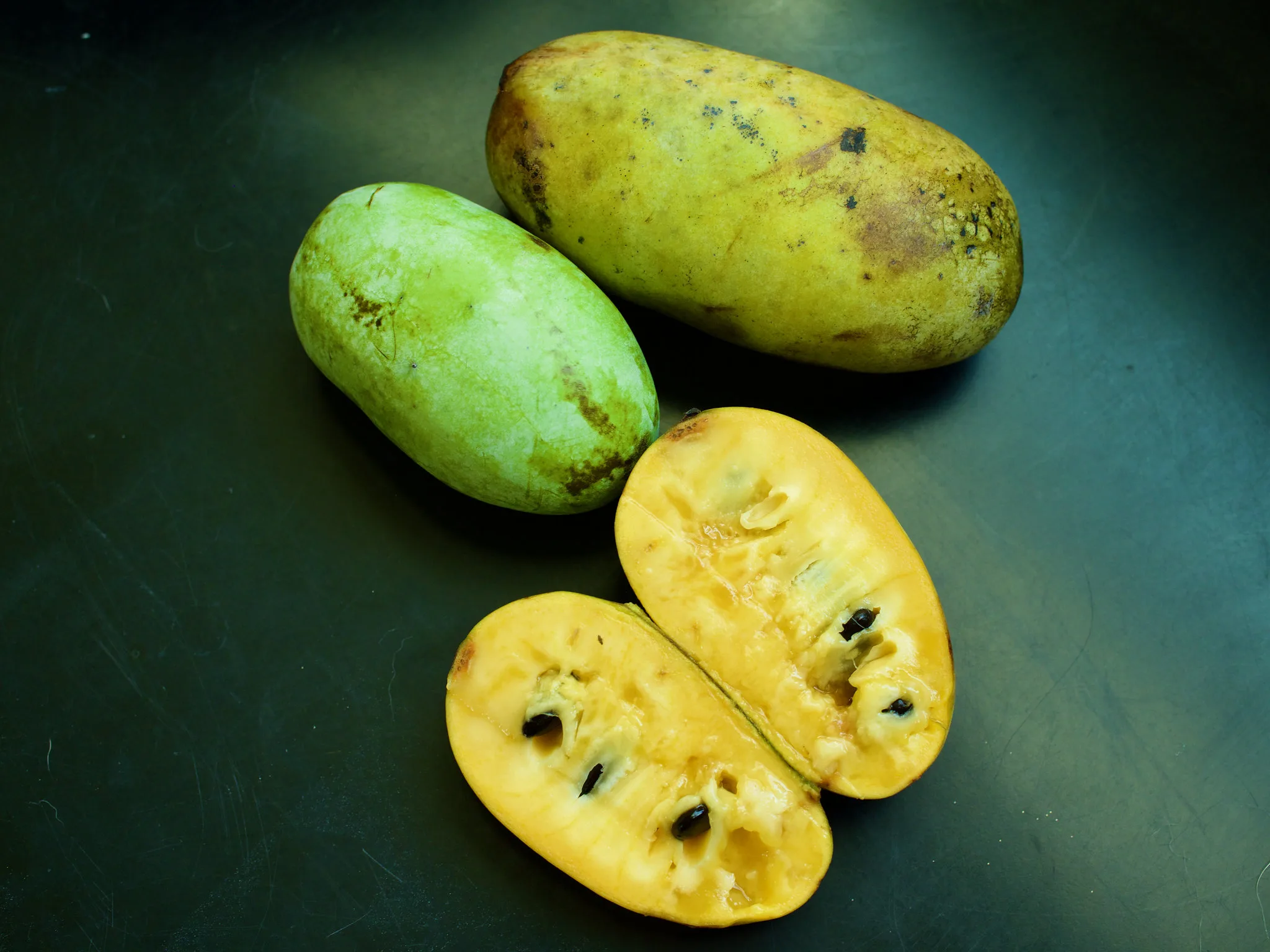
The pawpaw tree might be one of North America’s best-kept secrets. With its creamy, tropical-tasting fruit that’s often described as a blend of mango, banana, and custard, pawpaws are a delight for adventurous gardeners. Once a staple in indigenous diets and early American homesteads, this native tree is making a comeback. Whether you’re intrigued by its unusual fruit or its ability to thrive in naturalized landscapes, learning how to grow a pawpaw tree is a rewarding journey.
This post contains affiliate links. If you purchase through these links, I may earn a small commission at no additional cost to you. As an Amazon Associate, I earn from qualifying purchases.
What is a Pawpaw Tree?
The pawpaw tree (Asimina triloba) is a small, deciduous tree native to the eastern United States. It’s the largest edible fruit native to North America, often nicknamed the “hillbilly mango” or “custard apple.” While pawpaws may grow wild along rivers and forests, they can also thrive in home gardens with the right care.
Where Can Pawpaw Trees Grow?
Pawpaw trees are surprisingly versatile but have specific climate and soil requirements:
- Hardiness Zones: Pawpaw trees grow best in USDA zones 5–9, making them suitable for much of the eastern and southern U.S. They tolerate cold winters but prefer warm summers for optimal fruit production. This makes it an excellent alternative for those in areas too cold for other common tropical fruit like bananas.

- Climate: These trees thrive in areas with humid, temperate climates. They’re especially popular in the Midwest, Appalachia, and the Southeast.
- Soil Requirements: Pawpaws prefer rich, well-draining soil with a slightly acidic to neutral pH (5.5–7.0). Sandy loam or silty soil works well.
Pawpaws are often grown in these regions because they’re native, low-maintenance, and resistant to many pests and diseases. Plus, they add a unique, tropical touch to cooler climates where traditional tropical fruits can’t grow.
Why Grow Pawpaw Trees?
The undertaking of learning how to grow a pawpaw tree is about more than just fruit—it’s about connecting with a piece of American history and promoting biodiversity:
- Delicious Fruit: Pawpaw fruit is rich, creamy, and packed with nutrients like vitamin C, magnesium, and potassium.
- Native Landscaping: As a native plant, pawpaws support local ecosystems and are a host plant for the zebra swallowtail butterfly.
- Low Maintenance: Once established, pawpaw trees are highly adaptable and require minimal care compared to many fruit trees.
How to Grow a Pawpaw Tree

1. Start with the Right Seeds or Saplings
- Seeds: Growing pawpaw trees from seeds is rewarding but requires patience. Fresh seeds are essential because they lose viability if they dry out.
- Saplings: If you want quicker results, purchase grafted pawpaw saplings from a nursery. These trees are often bred for better fruit quality and faster fruiting.
2. Germinating Pawpaw Tree Seeds
This is one element of how to grow a pawpaw tree that can trip up inexperienced gardeners. Pawpaw seeds need cold stratification to germinate. Mimic winter conditions by:
- Placing seeds in a moist paper towel or sand.
- Storing them in a refrigerator (32–40°F) for 90–120 days.
- Planting the seeds in spring after the danger of frost has passed.
3. Planting Pawpaw Trees

- Site Selection: Choose a location with partial shade for young trees. Pawpaw seedlings are sensitive to direct sunlight during their first few years. Mature trees can handle full sun, which promotes better fruit production.
- Spacing: Plant trees 10–20 feet apart to allow for proper airflow and growth.
- Depth: Plant the seeds or saplings in holes twice as wide as the root system, with the top of the roots slightly above ground level.
4. Pollination and Fruit Production
- Pawpaw trees are not self-pollinating, so you’ll need at least two genetically distinct trees for fruit production.
- Pollination Challenges: Pawpaws rely on flies and beetles for pollination, which aren’t always reliable. To boost fruit set, consider hand-pollinating flowers with a soft brush.
Caring for Pawpaw Trees
Watering
Pawpaw trees prefer moist soil, especially during their first few years of growth. Water deeply once or twice a week, ensuring the soil doesn’t become waterlogged.
Mulching
Add a thick layer of organic mulch around the base of the tree to retain moisture, suppress weeds, and regulate soil temperature. Keep the mulch a few inches away from the trunk to prevent rot.
Fertilizing
Feed your pawpaw tree with a balanced fertilizer (10-10-10 or similar equal proportions) in early spring and again in mid-summer. Avoid over-fertilizing, as excessive nitrogen can reduce fruit production.
Pruning
Prune your pawpaw tree in late winter to remove dead or crossing branches. This encourages healthy growth and better airflow.
Common Challenges When Growing Pawpaw Trees

1. Slow Growth
Pawpaws grow slowly during their first few years as they focus on establishing a strong root system. Be patient—once mature, they’ll reward you with consistent growth and fruit.
2. Poor Pollination
As mentioned, pawpaw trees often struggle with natural pollination. Hand-pollination can help, especially in areas with limited pollinator activity.
3. Transplant Shock
Young pawpaw trees have sensitive roots and don’t transplant well. If planting saplings, handle them carefully and minimize root disturbance.
Growing Pawpaw Trees in Containers
Growing pawpaw trees in containers is a great option for small spaces or if you’re experimenting outside their native range. To succeed, choose a large container—at least 20 gallons—with good drainage to prevent root rot. Use a rich, well-draining potting mix amended with compost for fertility and water retention.
Container-grown pawpaws need more frequent watering than in-ground trees, as soil dries out faster. Place the pot in partial shade for young trees, transitioning to full sun as they mature. Fertilize during the growing season with a balanced fertilizer, like 10-10-10, every 4–6 weeks to support healthy growth.
In colder zones, containers make it easy to overwinter your pawpaw by moving it to a garage or sheltered area. With proper care, a container-grown pawpaw tree can thrive and even produce fruit, adding both beauty and flavor to your patio or balcony garden.
When Will My Pawpaw Tree Bear Fruit?

Patience is key with pawpaws. Trees grown from seed take 5–8 years to produce fruit, while grafted saplings can bear fruit in 2–4 years. The wait is worth it—the unique, tropical flavor of pawpaw fruit is unmatched.
Why Pawpaws Deserve a Place in Your Garden

Pawpaw trees are a delightful blend of the exotic and the familiar, offering tropical-tasting fruit that grows right in your backyard. Whether you’re restoring native plants to your landscape, supporting local pollinators, or simply curious about this “forgotten fruit,” growing pawpaws is a meaningful and rewarding experience.
So grab some pawpaw tree seeds or a sapling, find a sunny spot, and start planting—your future self (and your taste buds) will thank you!