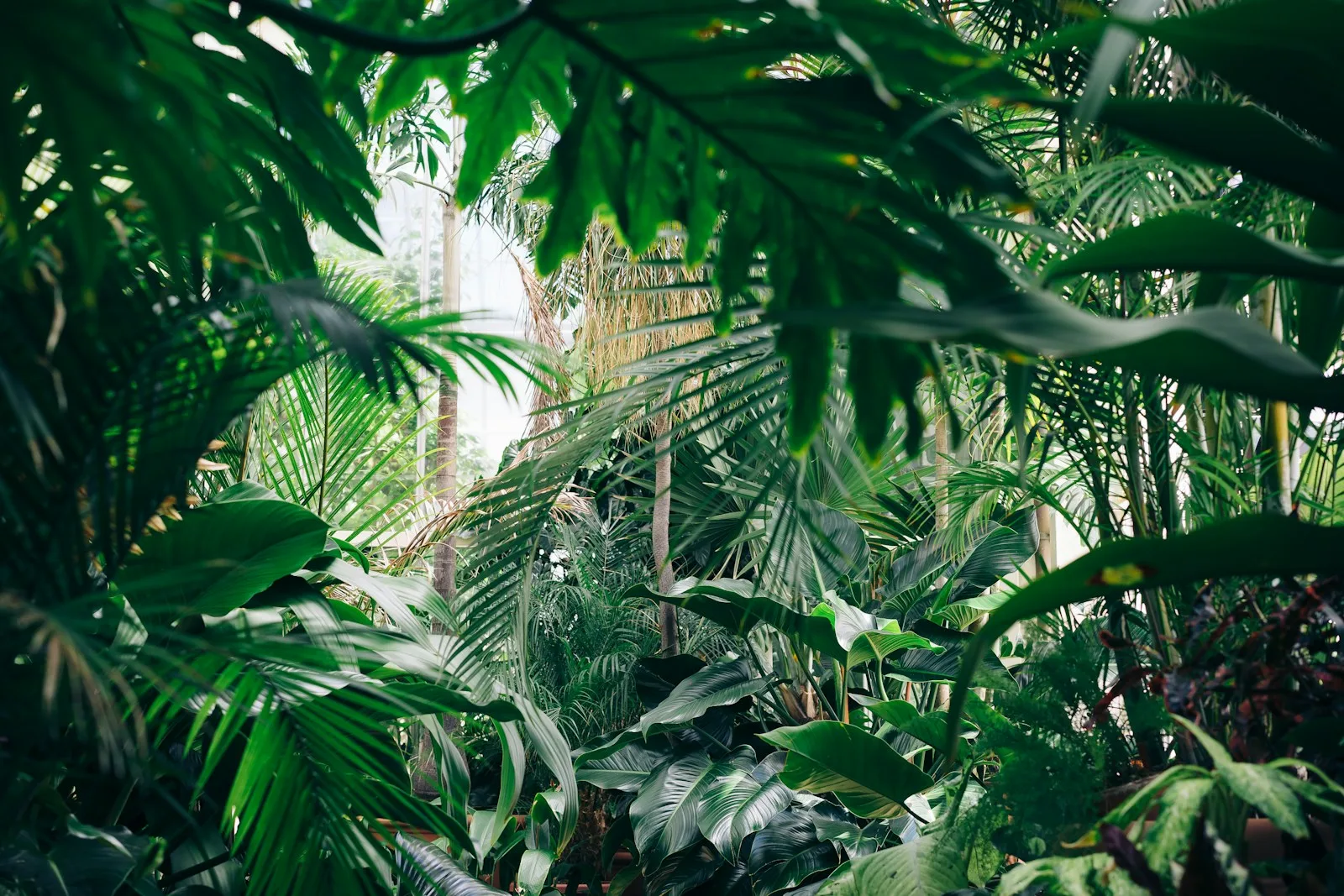
South Florida is a dreamscape for landscaping enthusiasts. With its year-round warmth, lush foliage, and vibrant tropical aesthetic, your landscaping possibilities are endless. But designing and maintaining a landscape in South Florida isn’t without its challenges. From understanding the local climate to choosing plants that thrive in sandy soil, this guide will help you create the perfect tropical oasis.
Why South Florida is Unique for Landscaping
South Florida’s climate is classified as tropical, with mild winters and hot, humid summers. It’s in USDA growing zones 10a–11b, meaning frost is rare, but the intense summer sun and occasional hurricanes present unique landscaping challenges.

Key considerations for South Florida landscaping include:
- Heat Tolerance: Plants must withstand year-round warmth and intense summer heat.
- Salt Tolerance: In coastal areas, salt spray from the ocean can affect plant health.
- Soil Composition: Sandy, nutrient-poor soil requires amendments or selecting plants adapted to these conditions.
Best Plants for South Florida
South Florida’s tropical climate allows for a wide variety of plants. Here are some of the best options for creating a vibrant, sustainable landscape:
1. Palms and Cycads

- Why They’re Great: Iconic and hardy, palms bring an instant tropical feel. Cycads, like the sago palm, are low-maintenance alternatives.
- Top Picks: Coconut palm, foxtail palm, areca palm, and pygmy date palm.
- Tips: Palms thrive in sandy soil and need occasional fertilization to prevent yellowing.
2. Native Plants


- Why They’re Great: Native plants are well-suited to the local climate and require less water and maintenance.
- Top Picks: Firebush, coontie, sea grape, and saw palmetto.
- Tips: Incorporate natives to attract pollinators and wildlife while reducing irrigation needs.
3. Tropical Flowering Plants


- Why They’re Great: Add vibrant colors and fragrance to your landscape.
- Top Picks: Hibiscus, bougainvillea, bird of paradise, and plumeria.
- Tips: These plants thrive in full sun and benefit from regular pruning to encourage blooms.
4. Ground Covers

- Why They’re Great: Ground covers reduce soil erosion and offer a lush, low-maintenance alternative to grass.
- Top Picks: Beach sunflower, creeping thyme, and perennial peanut.
- Tips: Choose salt-tolerant varieties for coastal areas.
5. Shade Trees

- Why They’re Great: Provide shade, reduce cooling costs, and serve as windbreaks during storms.
- Top Picks: Live oak, gumbo limbo, and jacaranda.
- Tips: Plant shade trees on the south or west side of your property to block the sun’s heat.
Design Principles for South Florida
1. Use Xeriscaping for Sustainability

Xeriscaping focuses on drought-resistant plants and efficient water use. Pair native plants with succulents, like agave or aloe, to create a striking yet water-wise garden.
2. Embrace Layering
Combine ground covers, mid-sized shrubs, and tall trees to create depth and visual interest. For example, pair a canopy of coconut palms with colorful bougainvillea and beach sunflower.
3. Incorporate Hardscaping

Use pathways, patios, and decorative rocks to break up green spaces and add structure. Materials like coral stone or travertine fit South Florida’s aesthetic and handle heat well.
4. Focus on Wind and Salt Tolerance
For coastal properties, choose salt-tolerant plants like sea grapes or buttonwood. Consider planting wind-resistant species to minimize storm damage.
5. Plan for Drainage

South Florida’s heavy rains can cause flooding. Use raised beds, swales, and permeable paving to improve drainage and protect your plants.
Common Challenges in South Florida Gardens
1. Pests and Diseases
South Florida’s warm climate means pests, like aphids and whiteflies, are active year-round.
- Solution: Use integrated pest management (IPM) and introduce beneficial insects like ladybugs.
2. Salt Intrusion
Coastal gardens often face salt spray and saline soils.
- Solution: Use salt-tolerant plants like sea oats and plant a windbreak to shield sensitive species.
3. Maintenance
Tropical landscapes grow quickly and can become unruly.
- Solution: Prune regularly and use slow-release fertilizers to promote healthy growth.
Best Times for Landscaping in South Florida
South Florida’s warm climate allows for landscaping year-round, but certain tasks are better suited for specific seasons:
- Winter (November–March): Best time for planting trees and shrubs due to cooler temperatures.
- Spring (March–May): Ideal for adding flowering plants and preparing for the rainy season.
- Summer (June–August): Focus on maintenance, like mulching and pruning.
- Fall (September–November): Great for planting vegetables and herbs in edible landscapes.
Designing Your Dream Florida Landscape

Landscaping in South Florida offers the opportunity to create a vibrant, tropical paradise with year-round beauty. By selecting the right plants, designing for sustainability, and addressing local challenges, you can transform your outdoor space into a lush retreat that thrives in the Sunshine State.
Whether you’re designing for beauty, functionality, or environmental sustainability, your South Florida landscape can be as unique as you are. Start planting, and watch your tropical paradise come to life!