
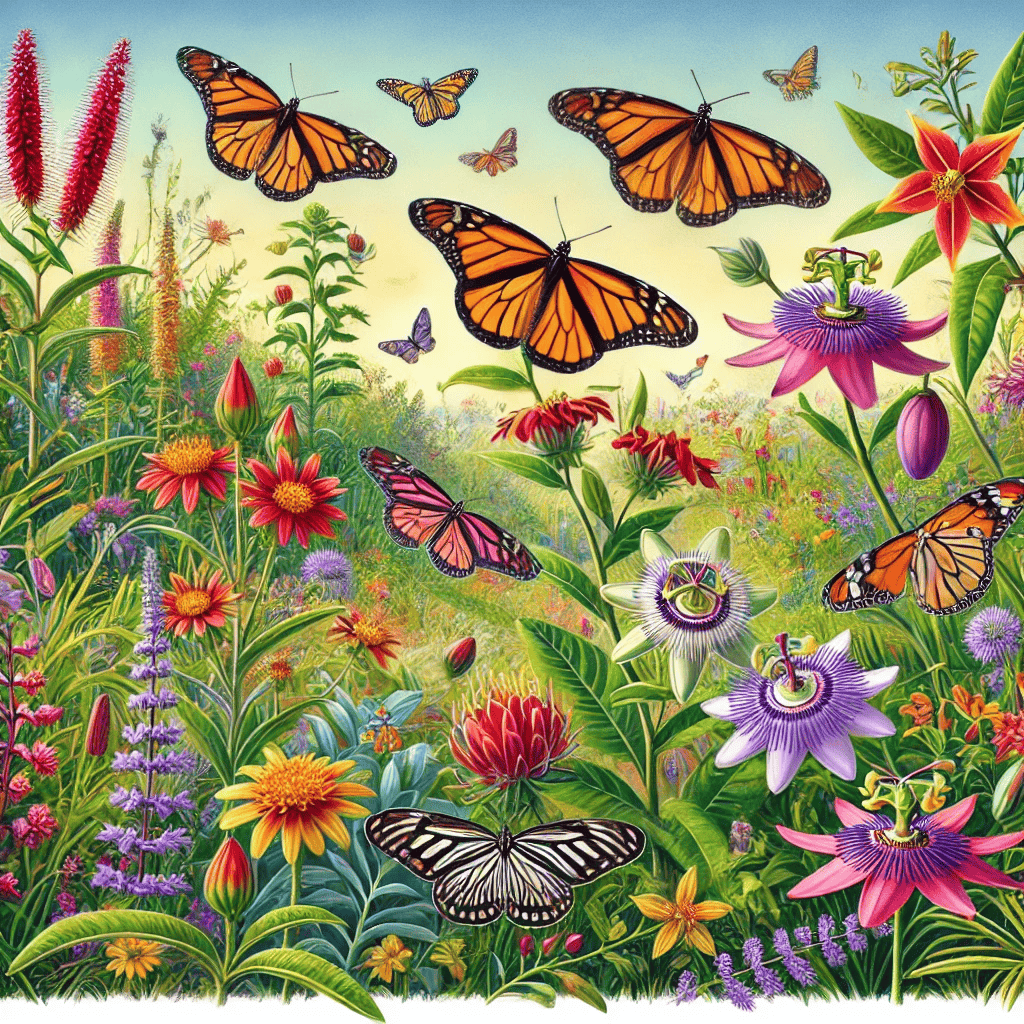
A Florida butterfly garden is more than just a beautiful addition to your landscape—it’s a sanctuary for pollinators. With Florida’s mild climate and native flora, you can attract a variety of butterflies by planting the right flowers, designing a thoughtful layout, and including host plants to support the butterfly life cycle. This guide will show you how to create a thriving butterfly garden in Florida, including layout tips and the best host plants to use.
Why Create a Butterfly Garden in Florida?
Florida is home to a dazzling array of butterfly species, from monarchs to zebra longwings (the state butterfly). By designing a butterfly garden, you’re not only adding beauty to your yard but also supporting these essential pollinators.

Benefits include:
- Enhancing biodiversity.
- Supporting pollination for fruits, vegetables, and flowers.
- Providing a relaxing, colorful space to enjoy nature.
Florida Butterfly Garden Layout

A well-thought-out layout ensures your garden is both functional and visually appealing.
1. Choose the Right Location
- Full Sun: Butterflies thrive in sunny spots, so place your garden in an area with at least 6–8 hours of sunlight daily.
- Shelter from Wind: Use shrubs or fences to protect your garden from strong winds, which can deter butterflies.
2. Create Layers
- Tall Plants at the Back: Include sunflowers or shrubs like firebush.
- Mid-Sized Plants in the Middle: Lantanas and pentas work well here.
- Low-Growing Plants in the Front: Use ground covers like sunshine mimosa or dwarf milkweed.
3. Add Pathways

Design paths using stepping stones or mulch to make maintenance easier and provide a welcoming space for visitors.
4. Include Water and Resting Areas

- Place shallow dishes with water and pebbles for butterflies to drink safely.
- Add flat stones for butterflies to bask in the sun.
Butterfly Host Plants in Florida
Host plants are crucial for butterflies as they provide food for caterpillars. Each butterfly species has specific plants they rely on for laying eggs and feeding larvae.
1. Milkweed (Asclepias spp.)

- Attracts: Monarch butterflies.
- Plant Tip: Use native varieties like swamp milkweed or butterfly milkweed, which thrive in Florida’s climate.
2. Passionflower Vine (Passiflora spp.)

- Attracts: Gulf fritillaries and zebra longwings.
- Plant Tip: Passionflower grows well in trellised or open spaces, adding height to your garden.
3. Cassia (Senna spp.)

- Attracts: Sulphur butterflies.
- Plant Tip: Choose cassia plants like privet cassia or partridge pea for vibrant blooms.
4. Pipevine (Aristolochia spp.)

- Attracts: Pipevine swallowtails.
- Plant Tip: Grow pipevine as a climbing plant for fences or arbors.
5. Spicebush and Sassafras

- Attracts: Spicebush swallowtails.
- Plant Tip: These shrubs are excellent for shady spots in your garden.
Nectar-Rich Plants for Adult Butterflies
While host plants support caterpillars, nectar plants feed adult butterflies. Include a variety of colorful blooms to attract different species.


Top Nectar Plants:
- Lantana: Bright clusters of flowers that attract a range of butterflies.
- Pentas: These star-shaped blooms are butterfly magnets.
- Salvia: Long-lasting flowers in vivid shades of red, purple, and blue.
- Firebush: A native plant with orange-red tubular flowers.
- Coreopsis: Florida’s state wildflower, ideal for sunny gardens.
Maintaining Your Butterfly Garden
A little effort goes a long way in keeping your garden vibrant and inviting.
- Watering: Most butterfly plants prefer moderate watering, so avoid overwatering.
- Pruning: Deadhead flowers to encourage continuous blooming.
- Avoid Pesticides: Use natural methods to control pests, as chemicals can harm butterflies and caterpillars.
A Florida butterfly garden is more than just a landscaping project—it’s a gift to nature. With the right layout, host plants, and nectar-rich flowers, you can create a thriving haven for butterflies while enjoying the beauty and serenity they bring. Start planting today and transform your yard into a fluttering paradise!